
Managing Risk in AI & GenAI Procurement

Navigating the New Realities of AI & GenAI Procurement_
What Organisations Must Know_
AI and Generative AI (GenAI) promise major benefits, but they also introduce risks that traditional procurement and legal frameworks don’t adequately cover. This article explains why AI/GenAI procurement is different, the risks organisations must understand, the pitfalls to avoid, and what customers should require from vendors.

Understanding AI’s Unique Operational Challenges_
Why AI & GenAI Procurement Is Unique_
AI systems behave in ways that differ fundamentally from traditional software:
1. Probabilistic Outputs
AI is inconsistent by design: outputs can vary, affecting warranties, quality measures and expectations.
2. Opaque Internal Logic
Many models are “black boxes,” making it hard to explain or justify results.
3. Data-Driven Behaviour
Training data may be undisclosed, biased, incomplete or legally sensitive.
4. Rapid Evolution
Models update frequently, changing behaviour and risk profiles mid-contract.
5. New Security Concerns
Threats such as prompt injection, data poisoning and agentic behaviour require stronger controls.
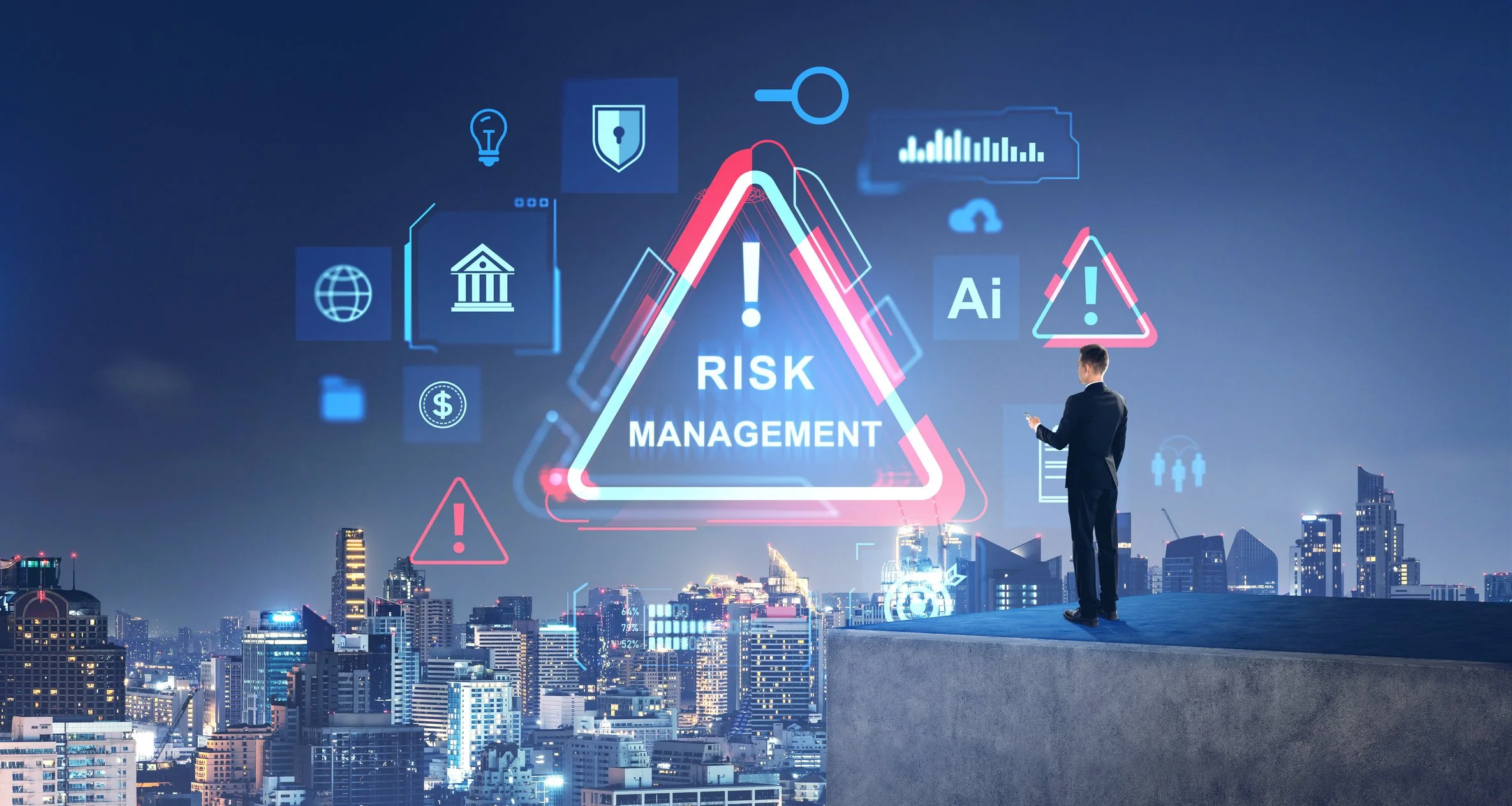
Where AI & GenAI Create New Risks for Organisations_
Key AI & GenAI Risks_
1. Data Risks
Customer data may be pooled with other customers’ data.
Data definitions are often vague.
Risk of inappropriate access or malicious use increases with agentic AI.
2. Privacy & Regulatory Risks
GDPR or sector compliance may not be fully covered.
Open-source components may have uncertain licensing.
3. Intellectual Property Risks
Refined models may embed IP you don’t own.
Outputs may infringe third-party rights.
Vendors often limit indemnity due to unpredictability.
4. Security & Safety Risks
Weak guardrails may allow unintended actions.
Lack of bias testing, human review or monitoring increases risk.
5. Commercial & Contractual Risks
Missing SLAs for accuracy, safety and availability.
Hidden terms for training, model updates and data use.
Overage and compute-based pricing can escalate quickly.
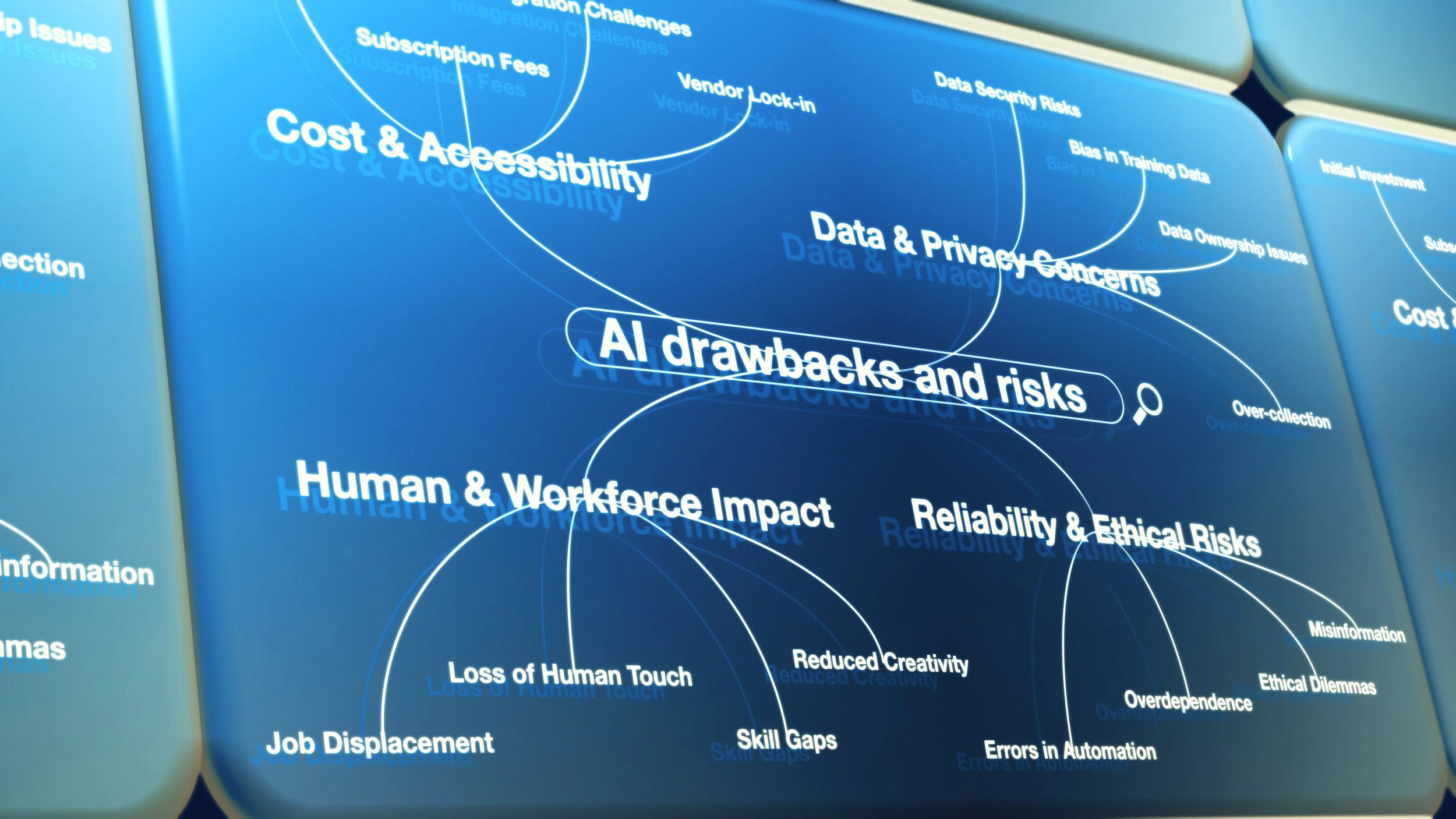
Where AI Procurement Commonly Goes Wrong_
Pricing Pitfalls to Avoid_
Vendor Hype & User Enthusiasm
Over optimistic claims can mask immaturity, while internal teams may rush ahead without due diligence.
Hidden Terms & Costs
Watch for:
token/compute overage
vague data usage permissions
model changes without notice
additional storage or integration costs
2. Unclear Risk Profiles
If a supplier cannot describe model risk, limits or required controls, the customer inherits the exposure.
3. Weak SLAs and Poor Definitions
Contracts often lack clear service levels and fail to define customer data, generated data or refined outputs.
4. Subcontractors & Third-Party Models
Many vendors rely on other model providers, these must be declared contractually.

Partner with Valuecom for Safe, Compliant AI Adoption_
How Valuecom Can Help_
Valuecom helps organisations adopt AI safely, commercially and responsibly through:
AI/GenAI risk assessments & readiness reviews
Vendor evaluation and contract due diligence
Commercial negotiation and pricing validation
AI governance, acceptable use policies and safety frameworks
Implementation oversight and assurance

ISO 9001/2015 and 27001/2022 Certified_
AI and Generative AI (GenAI) promise major benefits, but they also introduce risks that traditional procurement and legal frameworks don’t adequately cover.
AI and Generative AI (GenAI) promise major benefits, but they also introduce risks that traditional procurement and legal frameworks don’t adequately cover.

Our brand is founded on four core values: Trust, Innovation, Execution, and Partnership. Our symbol embodies each of these principles and illustrates how they come together to create measurable value for our customers.
Valuecom: The right team and strategy to deliver success
Please like and comment if you enjoyed the article