
Why Infrastructure Modernisation Doesn't Always Improve Resilience

Modern infrastructure introduces new strengths, new dependencies and new operational challenges_
Modernisation Changes More Than Technology_
Infrastructure modernisation is often associated with improved resilience. New platforms replace ageing systems, cloud services increase flexibility, networks become faster and storage becomes more capable. Automation reduces manual effort and every investment is intended to strengthen the technology environment.
Most of these investments achieve exactly that. What receives far less attention is how every successful investment also changes the environment responsible for delivering resilience.
New operational processes emerge, dependencies become more interconnected and recovery becomes more sophisticated. Support models evolve as infrastructure teams take responsibility for an increasingly integrated combination of cloud platforms, networks, applications and infrastructure services.
Over time, the organisation gradually inherits a technology estate that behaves very differently from the one it replaced. Many organisations invest in Cloud & Datacentre Services to modernise their infrastructure, but resilience depends on understanding how those investments reshape the wider technology environment.

Resilience is shaped by the relationships between technologies, not individual platforms_
Resilience Evolves With Every Investment_
No infrastructure programme introduces complexity intentionally. Every migration, platform refresh, cloud service, network enhancement and security improvement is designed to deliver value and strengthen the technology estate.
Individually these changes often achieve exactly that. Collectively, however, they gradually reshape how services interact across the organisation and create an increasingly interconnected technology environment.
Infrastructure teams begin supporting more platforms, operational dependencies increase and cloud services rely on new integrations. Recovery processes become more sophisticated and monitoring expands as the organisation adapts to the environment it has created.
Executive leaders naturally begin asking different questions. Where are our hidden dependencies? Has resilience improved everywhere or only within individual platforms? Which services have become critical to business continuity? Can our operational capability support the infrastructure we've created?
These questions require visibility beyond individual technologies. They require an understanding of how infrastructure, operations and organisational capability work together to create resilience.
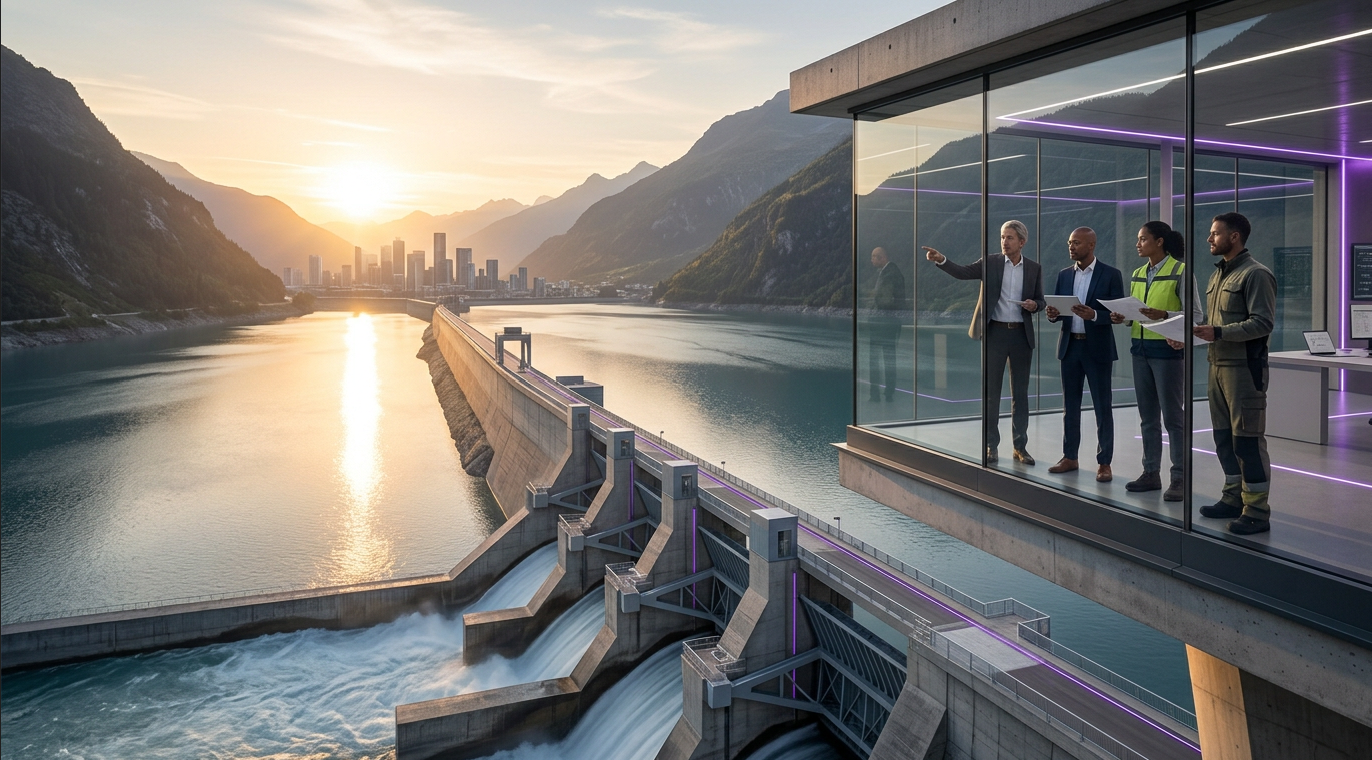
Operational resilience is built through capable organisations, not technology alone_
Operational Resilience Depends on Organisational Capability_
Technology alone does not create resilience. People, processes, governance and operational maturity all contribute to the organisation's ability to maintain critical services when disruption occurs.
Modern infrastructure can only deliver its intended resilience when the organisation responsible for operating it evolves alongside it. As infrastructure becomes increasingly connected and cloud platforms more integrated, operational responsibilities become broader and leadership decisions become more significant.
This creates a relationship between technology capability and organisational capability. Resilience depends not only on how infrastructure is designed, but on how effectively the organisation can govern, operate, monitor and recover the environment it has created.
Many organisations establish this understanding through an Executive Infrastructure Assessment, creating an independent view of resilience, operational maturity, infrastructure capability and technology dependencies before future investment decisions are made.

Understanding infrastructure creates confidence long before incidents occur_
Understanding Infrastructure Before It Becomes Risk_
The strongest infrastructure environments are rarely the simplest. They are the ones leaders genuinely understand, with clear visibility across technology, operational dependencies, resilience and organisational capability.
Organisations that continuously improve operational capability alongside infrastructure investment are better positioned to recognise emerging risks before they develop into service disruption. This understanding becomes increasingly important as technology environments grow more interconnected.
As environments evolve, IT Operations & Service Management becomes increasingly important in maintaining resilience across modern technology estates, while IT Strategy & Architecture helps ensure that infrastructure decisions continue supporting long-term organisational objectives.
Resilience grows through understanding, operational maturity and informed decision-making rather than technology investment alone.

Understanding infrastructure today creates the resilience organisations depend on tomorrow_
Strong Infrastructure Creates Confident Organisations_
The organisations that recover fastest are rarely those with the newest technology. They are the organisations that understand their environment, recognise critical dependencies and have confidence in the operational capability supporting it.
They invest with purpose, evolving governance and operational maturity alongside infrastructure rather than treating them as separate priorities. This allows resilience to strengthen continuously as the technology estate changes.
Leaders who maintain this understanding are better positioned to identify emerging risks, prioritise investment and make confident decisions about the infrastructure supporting critical business services.
Many organisations reinforce this understanding through an Executive Infrastructure Assessment, providing independent assurance that infrastructure capability, resilience and operational maturity remain aligned as technology environments continue to evolve.
Infrastructure modernisation rarely improves resilience simply because technology becomes newer. It improves resilience when organisations evolve with the technology they have successfully created.

Resilience is strengthened by understanding the environment behind the infrastructure_
Understand Your Current Infrastructure_
Our Online Executive Infrastructure Assessment provides an independent review of infrastructure capability, operational resilience, governance, cloud maturity, resilience planning and technology dependencies, helping organisations understand where operational risk may exist before it becomes business disruption.
For organisations planning infrastructure investment or modernisation, our 4 week Executive Infrastructure Assessment delivers evidence based findings, executive recommendations, a board ready report and a prioritised roadmap for strengthening resilience across the technology estate.
A Clearer View of Infrastructure Resilience_
Understanding whether infrastructure is genuinely resilient doesn't require separate reviews of every platform, service and technology. Our Executive Infrastructure Assessment brings infrastructure, operational resilience, governance and technology dependencies together into a single independent view, delivered over four weeks.
It gives leadership clear visibility of strengths, vulnerabilities and priorities, providing a simpler route from infrastructure modernisation to the resilience the organisation needs to operate, recover and grow with confidence.
Related Resources_

ISO 9001/2015 and 27001/2022 Certified_
Above all, we operate with a long-term partnership mindset, grounded in transparency and trust.
Above all, we operate with a long-term partnership mindset, grounded in transparency and trust.

Our brand is founded on four core values: Trust, Innovation, Execution, and Partnership. Our symbol embodies each of these principles and illustrates how they come together to create measurable value for our customers.
Valuecom: The right team and strategy to deliver success
Please like and comment if you enjoyed the article