
The Technology Operating Model Nobody Notices Until It Starts Failing

The strongest operating models are often the ones nobody needs to think about_
The Operating Model Is Often Invisible When It Works_
Technology organisations rarely spend much time thinking about their operating model when everything is working.
Decisions are made. Services operate. Programmes deliver. Suppliers perform. Teams understand their responsibilities and technology continues supporting the organisation.
Over time, however, the environment changes. Cloud adoption increases, cyber responsibilities expand, suppliers become more embedded and transformation introduces new platforms, processes and dependencies. Business expectations increase while technology teams inherit broader responsibilities.
None of these developments necessarily creates an immediate problem. The challenge is whether the organisation responsible for managing them evolves at the same pace.
Many organisations invest in IT Operations & Service Management to strengthen operational performance, but sustainable technology capability depends on how effectively the wider organisation works together.
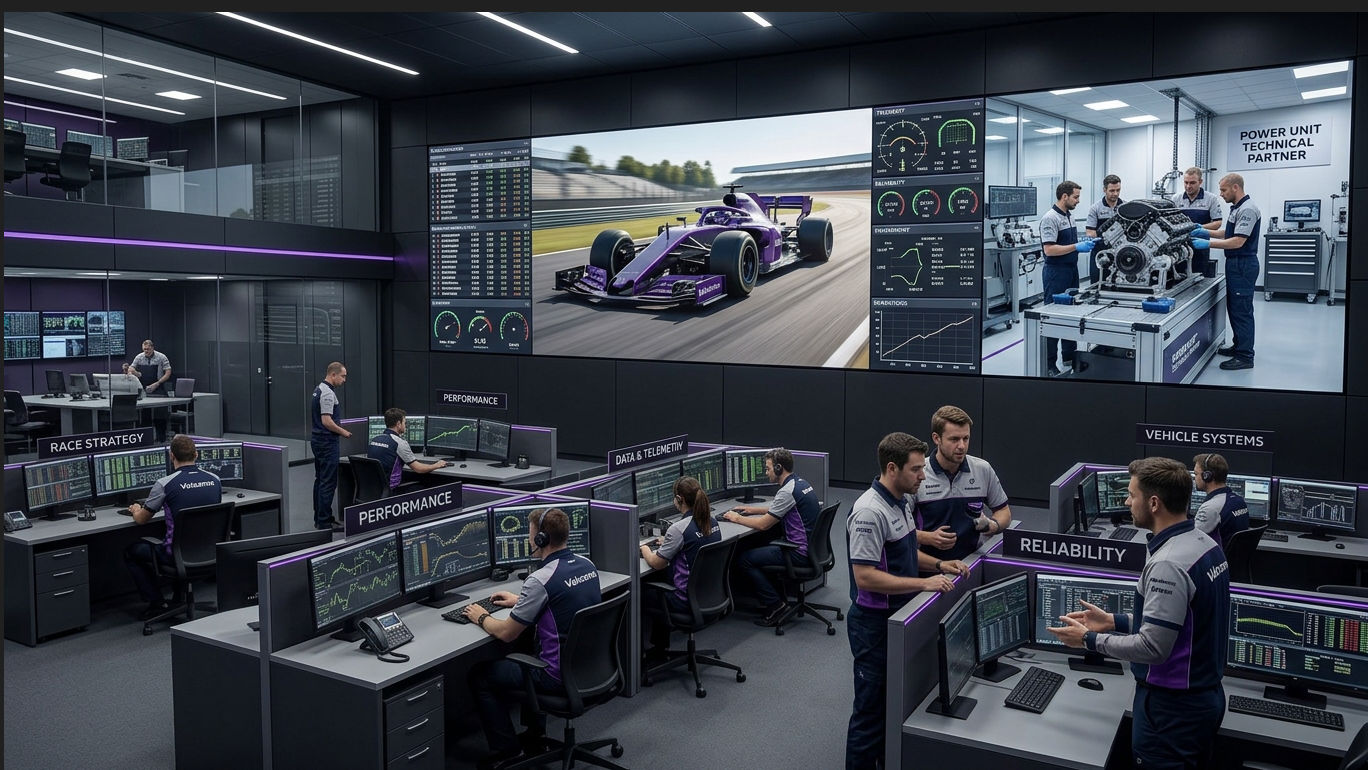
Operating models rarely break through one decision. They gradually evolve away from the organisation they were designed to support_
Complexity Gradually Changes How Technology Operates_
Operating models rarely become ineffective because somebody deliberately designed them badly. They drift.
Responsibilities expand. New teams emerge. Governance develops around individual requirements. Suppliers assume greater responsibility. Architecture becomes more distributed and decision making begins crossing organisational boundaries that did not previously exist.
Individually, each change can be entirely reasonable. Collectively, they can create ambiguity around accountability, ownership and decision-making.
Technology leaders eventually begin asking different questions. Who owns decisions that cross multiple technology domains? Where does accountability sit between internal teams and suppliers? Are governance structures helping decisions or slowing them? Does the organisation still operate in the way leadership believes it does?
These questions require visibility beyond organisational charts and documented processes. They require an understanding of how technology actually operates.
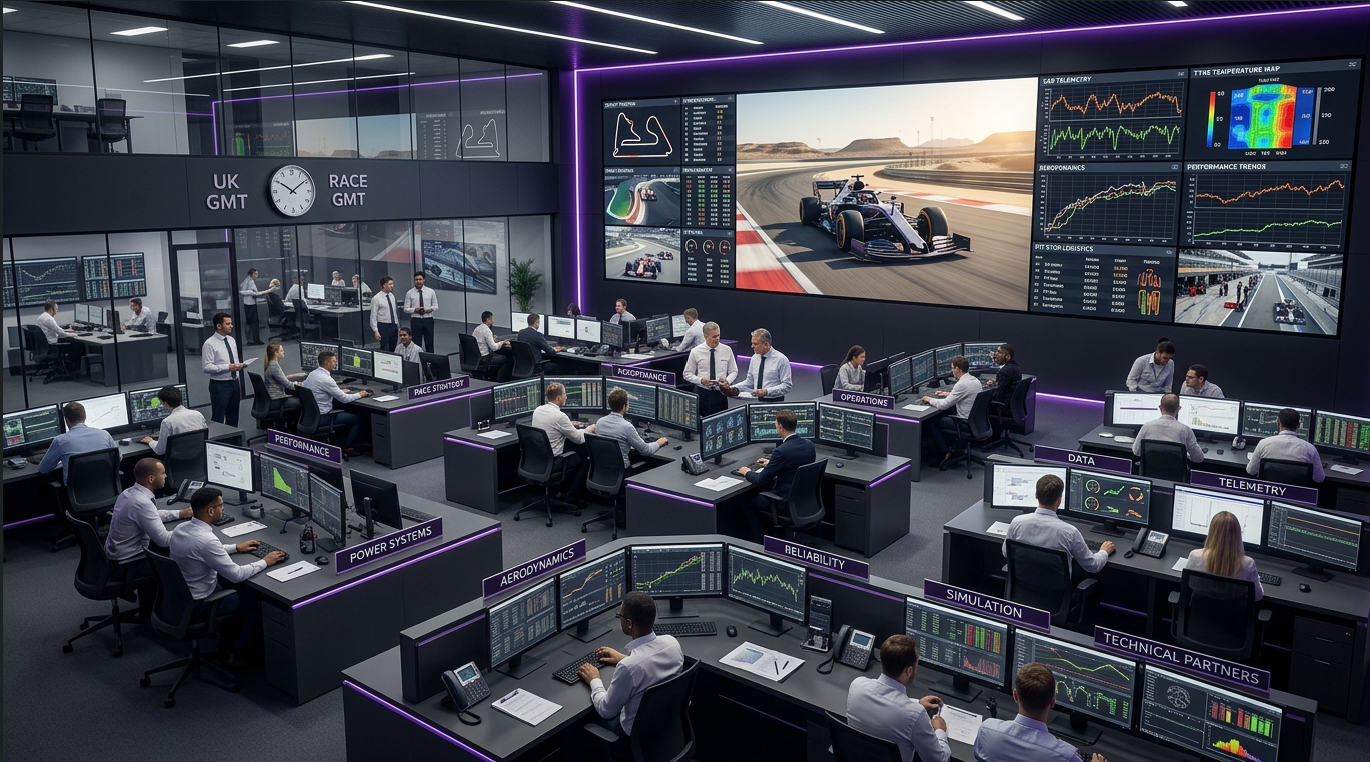
Technology crosses organisational boundaries long before organisational structures do_
Organisational Boundaries Become Technology Dependencies_
As technology environments become more interconnected, organisational boundaries increasingly influence operational performance.
Infrastructure depends upon cloud platforms. Applications depend upon data. Cyber security spans every technology domain. Service management connects internal teams with suppliers. IT Transformation introduces new platforms, services and ways of working that eventually become operational responsibilities.
The technology may be integrated, while the organisation responsible for operating it remains divided into traditional functions.
This is where seemingly small organisational gaps can become significant. Decisions take longer, accountability becomes less clear and issues begin moving between teams because responsibility exists across several areas rather than clearly within one.
Strong IT Strategy & Architecture therefore depends not only on understanding future technology, but also whether the organisation has the capability and structure required to govern, deliver and operate it.

The visible problem is not always where the underlying constraint sits_
Operating Model Weaknesses Often Appear Somewhere Else_
One reason operating model challenges remain difficult to recognise is that the symptoms rarely appear labelled as an operating model problem. Instead, they emerge through slower decision-making, repeated escalations, unclear ownership, supplier friction, competing priorities, increasing governance overhead and operational issues following transformation.
Individually, each of these challenges may appear to have a different cause and can often be addressed within the team or function where it becomes visible. Collectively, however, they can indicate something broader: organisational capability has not evolved at the same pace as the technology environment it is responsible for governing, delivering and operating.
This is why executive visibility becomes increasingly important. An Executive Capability Assessment can establish an independent view across strategy, governance, architecture, infrastructure, cyber security, service management, operations, delivery and vendor management, helping leaders understand where capability, accountability and organisational dependencies may be constraining wider technology performance.

Understanding how technology really operates creates the visibility required to strengthen what happens next_
Understand Your Technology Operating Capability_
Our Executive Capability Assessment provides an independent view across the technology organisation, assessing 14 technology domains, 84 pillars and 399 capabilities to establish where strengths, constraints and capability gaps exist.
For organisations undergoing transformation, experiencing increasing technology complexity or reviewing how technology should operate in the future, the assessment provides evidence-based findings, executive recommendations, a board-ready report, a 90-day improvement plan and a prioritised 12-month roadmap.
It provides leadership with a clearer understanding of whether organisational capability has evolved alongside technology ambition.
Strong technology performance depends on an operating model that evolves alongside the organisation it supports_
The Operating Model Determines What Technology Can Sustain_
The strongest technology organisations are rarely those with the most elaborate structures.
They are the ones where accountability is understood, decisions can be made effectively and organisational capability evolves alongside technology.
They recognise when responsibilities have changed. They understand where dependencies cross organisational boundaries. They strengthen governance without unnecessarily slowing delivery and ensure operational capability keeps pace with transformation.
An operating model rarely announces that it is becoming ineffective. The organisation simply begins experiencing the consequences.
A Clearer View of Technology Capability_
Understanding whether a technology organisation has the capability to support current operations and future ambition requires more than reviewing structures, processes and individual teams. Our Executive Capability Assessment brings strategy, governance, architecture, infrastructure, cyber security, service management, operations, delivery and vendor management together into a single independent view.
It gives leadership clear visibility of strengths, capability gaps and organisational constraints, providing a simpler route from fragmented understanding to stronger accountability, better decision-making and a technology operating model capable of supporting what comes next.
Related Resources

ISO 9001/2015 and 27001/2022 Certified_
Above all, we operate with a long-term partnership mindset, grounded in transparency and trust.
Above all, we operate with a long-term partnership mindset, grounded in transparency and trust.

Our brand is founded on four core values: Trust, Innovation, Execution, and Partnership. Our symbol embodies each of these principles and illustrates how they come together to create measurable value for our customers.
Valuecom: The right team and strategy to deliver success
Please like and comment if you enjoyed the article